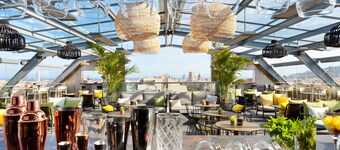

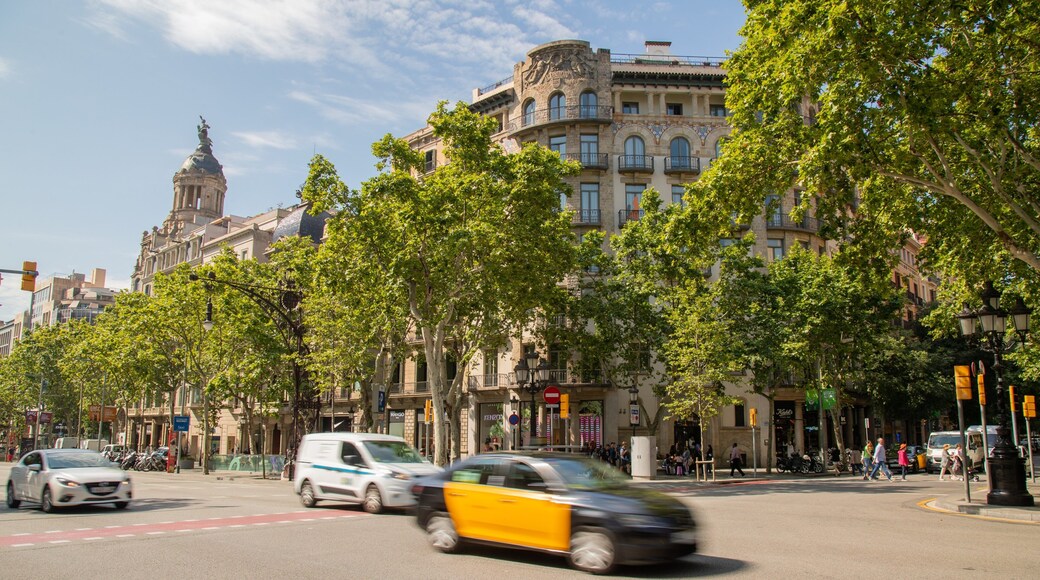
One of Spain’s most expensive streets has masterworks by Gaudí, Falqués and more, interspersed with designer boutiques and rather opulent cafés.
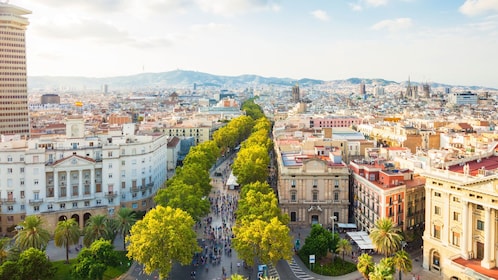
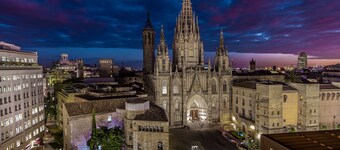
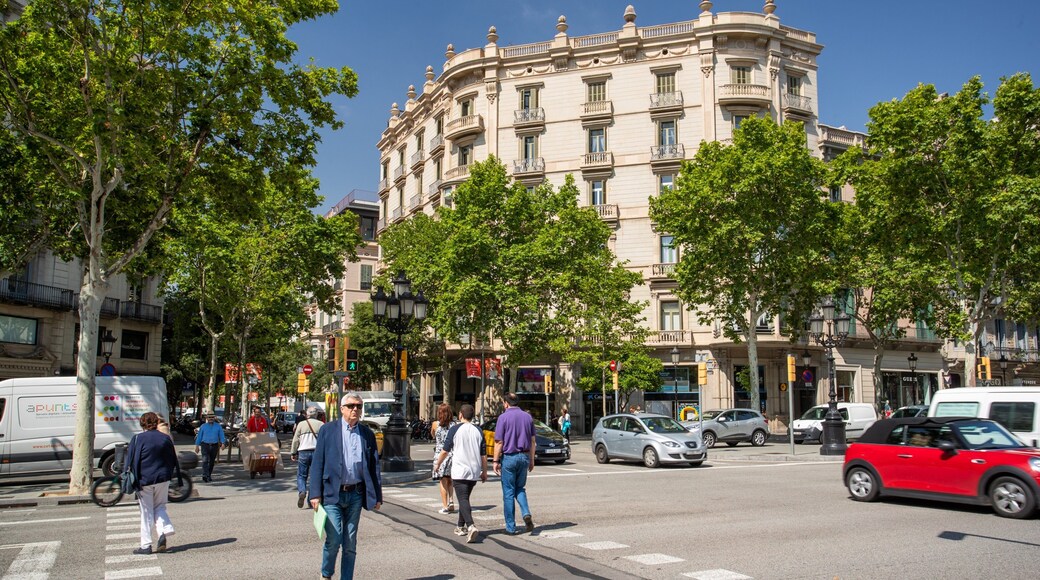
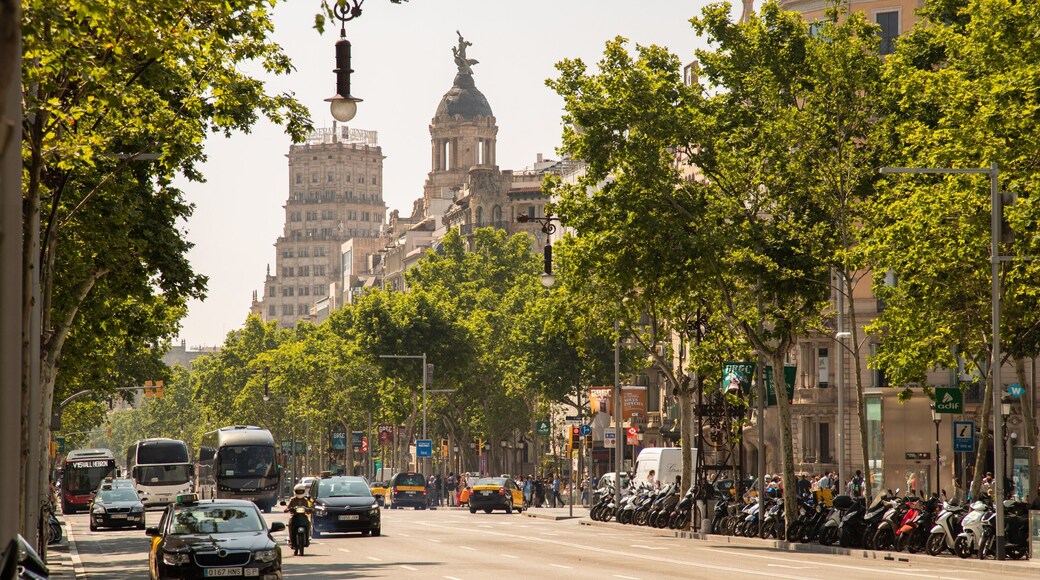
It’s hard to imagine, standing on the Passeig de Gràcia, that less than 200 years ago it was a cart track connecting Barcelona and the rural town of Gràcia. By the early 20th century the sidewalks became promenades for Spain’s most elite families. That atmosphere still pervades the space, as tourists and chic locals pass buildings designed and built by some of the superstars of Catalan Modernism. Shop in the upscale boutiques or just go in search of magnificent homes.
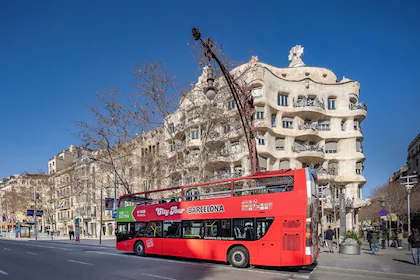
Get off the subway at Plaça Catalunya, Barcelona’s biggest plaza, well worth a visit. Head northwest on the Passeig de Grácia. Look for Gaudí’s two masterpieces here. The most famous is the Casa Milà, whose uneven façade made it extremely controversial when it was built. Spot Gaudí’s other work, the Casa Batlló, with a mosaïc-covered exterior that makes it look like a piece of coral plopped down in the middle of the city. Don’t miss the Casa Amatller next door, with a multicolored Gothic-Flemish exterior.
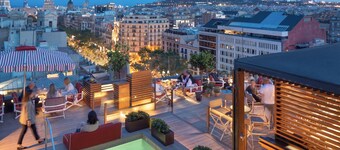
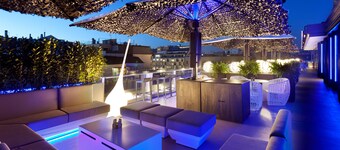
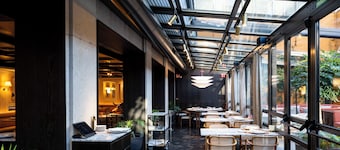
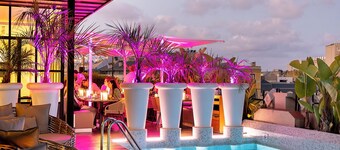
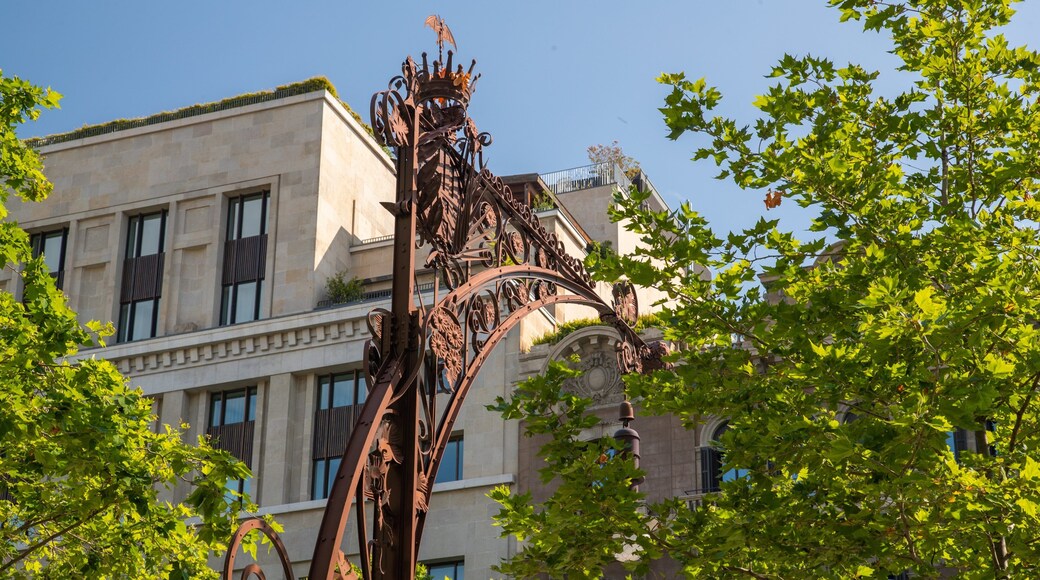
Take a break on one of the ornate white benches, beneath iron street lamps designed by Pere Falqués. Stop at a café, perfect for people-watching and outfit inspiration as you let the afternoon tick away.
The Passeig de Gràcia is in the center of Barcelona. Reach the Plaça Catalunya in a 40-minute subway ride from Barcelona Airport. The Carrer Gran de Gràcia is slightly less well connected than the street’s other hub, but several subway and bus lines pass through the area. Bus and subway connections are available at intervals along the street. Taxis are easy to find as well. Given the popularity of the area, parking is virtually unavailable, so park elsewhere and enjoy the street on foot.
Opening hours of shops and cafés vary, but restaurants are generally open until late into the night.